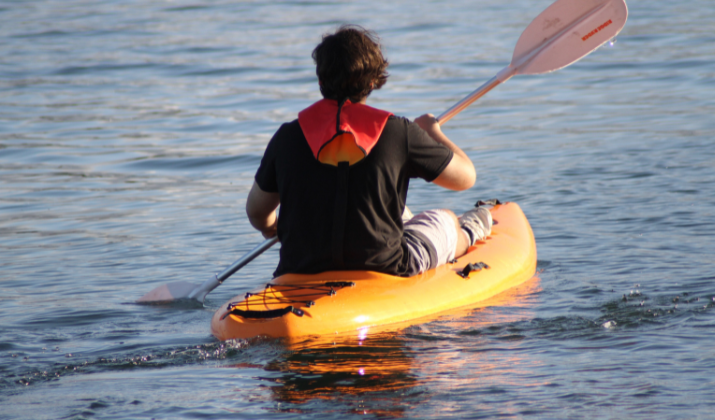

On a continent with roughly 16,000 miles of shoreline, there is absolutely no shortage of places to take your sea kayak. That being said, you have to be confident in your vessel and your paddling skills before heading out into the open ocean.
Even protected bays are subject to things like tides and ocean currents. These environmental factors require more preparation than you might need if you were just paddling a recreational kayak on a calm lake.
Thankfully, sea kayaks are specifically made to handle rougher waters, waves, and other things you’re likely to find in the ocean.
Sea kayaks come in many different shapes and sizes, but they all make it easier to get out and explore the coastal waterways near you.
Today, we are going to take a closer look at some of the best sea kayaks in Australia. Stay right here.

Photo by Peter Stuckings via Shutterstock
Who This Guide Is For?
This guide is useful for Australian paddlers comparing sea kayaks for coastal touring, protected bay paddling, and ocean fishing.
It suits everyone from beginners wanting a stable inflatable to experienced tourers planning longer expeditions along the coastline.
How We Chose These Recommendations?
We considered the following things:
- Hull design and water type: A kayak’s hull shape and length determine whether it can handle open ocean swells or only protected bays.
- Inflatable versus rigid construction: This choice affects transport, storage, durability, and how confidently the kayak handles rougher coastal water.
- Weight capacity: Staying under roughly 80 percent of the rated capacity keeps the kayak responsive, stable, and safe.
- Paddler count: Solo and tandem configurations rarely overlap in rigid designs, so seating needs should be settled early.
- Primary activity: Fishing, touring, and casual paddling each demand different storage layouts, seating, and accessory options.
- Portability and base weight: A kayak that is too heavy to move easily from car to shoreline will spend more time at home.
Limitations And Tradeoffs
- Inflatable models like the Sevylor Tahiti Plus and Lagoon 1 are not suited to open ocean conditions.
- Heavier fishing kayaks such as the Pedal Pro Fish XL often require a cart or a second person to move.
- Some accessories, like the skeg for the Sevylor Tahiti Plus, are sold separately and add to the total cost.
- Long touring kayaks demand roof racks and storage space that not every household has available.
Sea Kayak Buying Guide

Photo by Claudio Bertoloni via Shutterstock
Before you go purchasing a new sea kayak, there are several important points to consider. You will ultimately prioritize these factors according to your personal preferences, but here are a few things to think about when comparing different sea kayak models.
Kayak Style
Kayaks that are designed for ocean paddling come in a variety of styles. You will find sit-on-top kayaks that are better for bay paddling, shorter sit-in kayaks that are suitable for light touring, long touring kayaks that are designed for extended expeditions, and even shorter surfing kayaks.
Ultimately, your kayak choice should start with an analysis of the specific environments you intend on paddling in the most. You can also look at some crossover kayaks that are ocean-capable if you know you’ll sometimes seek open ocean and be content with bay paddling at other times.
Among your options below, you’ll also have the chance to choose between inflatable kayaks and rigid (also known as rotomolded) kayaks. If you’re a casual paddler that only intends to head out on protected bays for short paddles, an inflatable might work well for you.
Inflatables are also useful if you don’t have a way to transport a kayak on your vehicle or if you lack a kayak storage rack at home. If you’re intending on open ocean paddling or longer trips, however, we encourage you to stick to a rigid kayak for added safety and durability.
Number of Paddlers
You should also consider whether you’ll mostly be heading out alone or with a partner. Typically, you can find inflatable models that can convert for one or two paddlers, but this is rarely the case with rigid kayaks.
Most of the kayaks on this list (aside a few) are intended for a single paddler. So if you already know you’re looking for something for you and your partner to paddle together, check out some of the best tandem kayaks on the market.
Primary Activity
Next, consider what your primary activity will be when you are spending time out on the water. Do you like to fish from your kayak or are you simply heading out for a recreational paddle for a few hours?
There are also folks that use kayaking as one of their main forms of exercise and like to push their cardiovascular limits. Aside from that, some of you might want a kayak that you can pack for camping trips to more remote stretches of Australia’s coastline.
Consider what you will mostly be using your kayak for so that you make sure it has the features to accommodate your needs. For example, enclosed storage space is important for kayak campers that need to keep some gear dry, but open storage is better for anglers that need quick access to all of their fishing equipment.
Weight and Weight Capacity
The final considerations we will touch on have to do with the weight of the kayak itself and how much cargo it is rated to handle safely. For starters, a kayak’s weight is going to come into play both on and off the water.
Most kayakers actually spend just as much time dealing with their kayak off the water as they do on it. So it is important that your kayak isn’t so heavy that it makes simply getting it to the water’s edge a huge hassle.
Of course, you can always invest in a kayak cart for rough terrain to make on-land transportation of your kayak a little bit easier. That being said, selecting a kayak with a lower base weight will generally allow you to load in more gear and supplies without exceeding its weight capacity.
On that note, all kayaks have an advertised maximum weight capacity that you shouldn’t exceed. You will need to account for your own body weight, the weight of any additional passengers, and the weight of your cargo when calculating whether or not you’re going to exceed your kayak’s weight limit.
Also, it is generally accepted that staying below about 80% of your kayak’s advertised weight capacity is a good idea. If you exceed 80%, your kayak isn’t going to sink immediately, but it will sit lower in the water, be slower, and also it will be more sluggish to respond to your paddle strokes if you need to maneuver quickly.
Best Sea Kayaks in Australia
1. Mirage 582
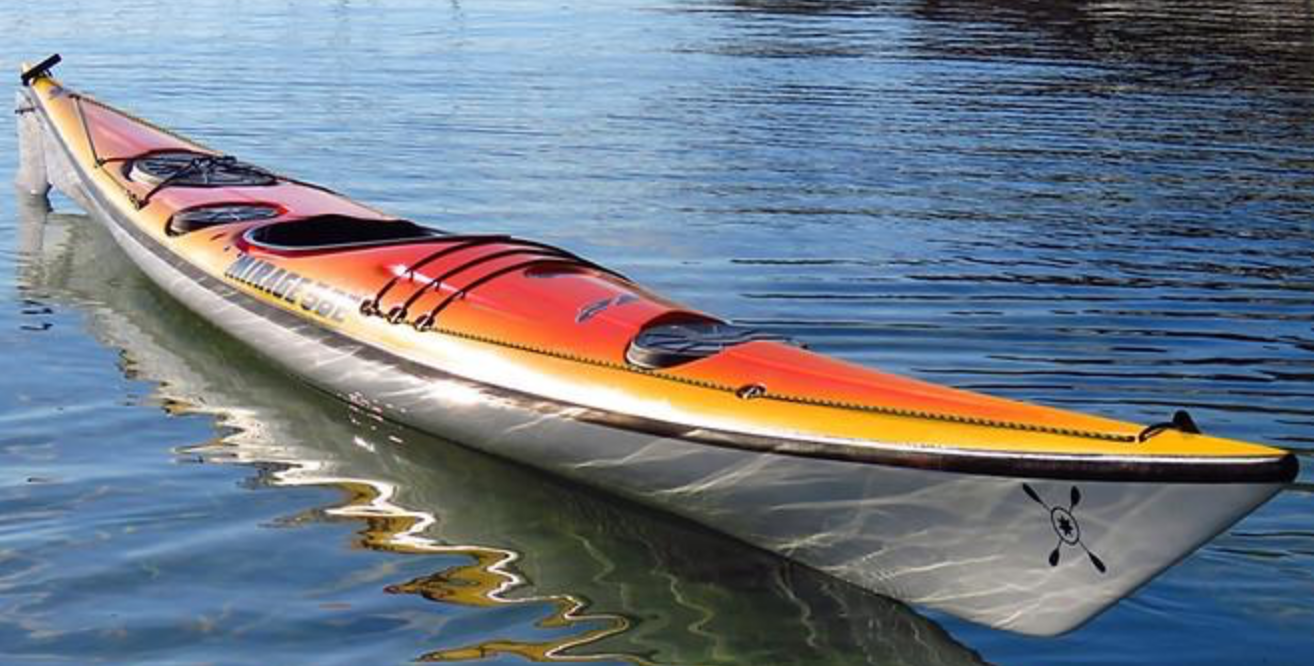
The Mirage 582 is an excellent choice for paddlers seeking a serious Australian-made expedition kayak. Its 5.8-metre hull combines efficient cruising, directional stability and substantial storage for multi-day adventures.
Three sealed compartments provide space for camping equipment, food and safety gear, while its integrated rudder helps maintain control in changing conditions.
The 582 is particularly suited to medium and larger paddlers, with fibreglass, Kevlar and carbon construction options.
It is designed for sheltered waters, coastal touring and open-ocean expeditions. Its robust construction and proven design make it a compelling choice for experienced paddlers planning longer journeys.
2. Mirage 583 Adventure
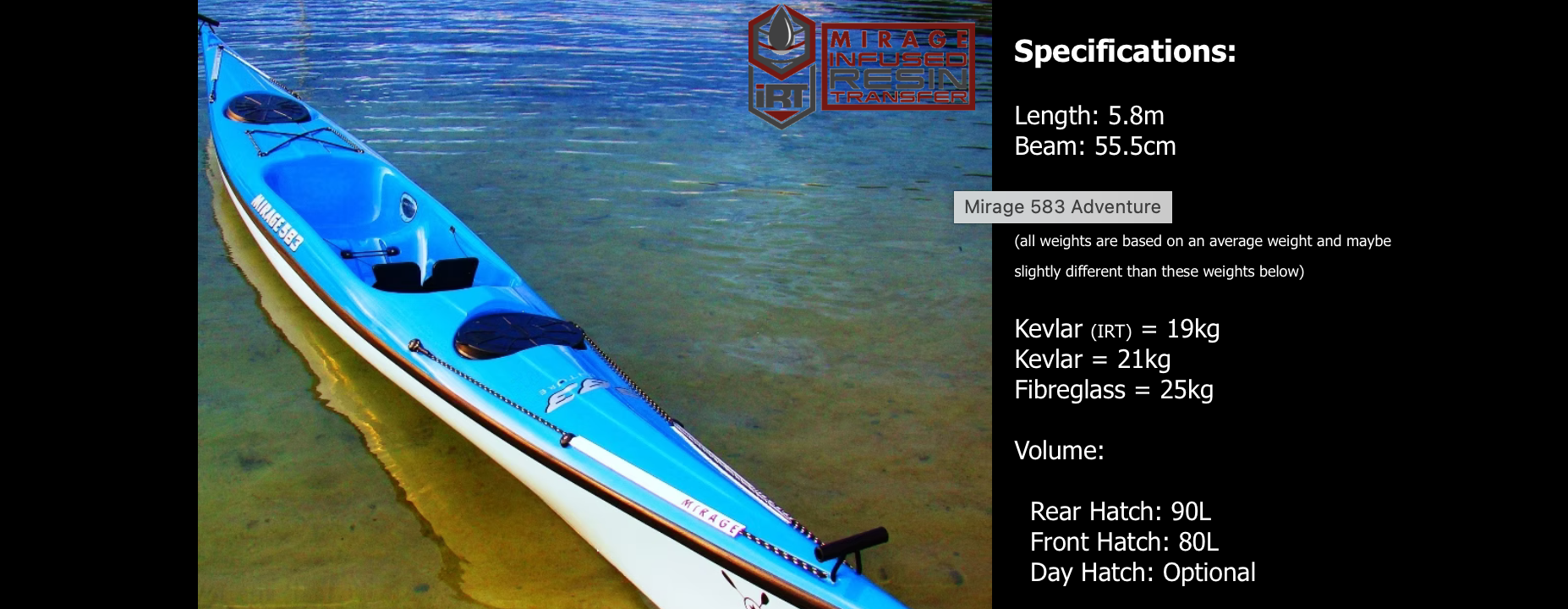
The Mirage 583 Adventure combines expedition capability with an open-deck design that offers greater freedom of movement.
Its 5.8-metre hull is designed to track efficiently across open water while remaining manoeuvrable in swell and surf.
The front hatch provides 80 litres of storage, complemented by a 90-litre rear compartment. This makes it a practical option for paddlers who want to carry substantial equipment without sacrificing performance.
The integrated rudder, adjustable seating and self-draining cockpit add to its versatility. It is especially appealing to experienced paddlers who enjoy coastal exploration and want a kayak that can handle varied conditions.
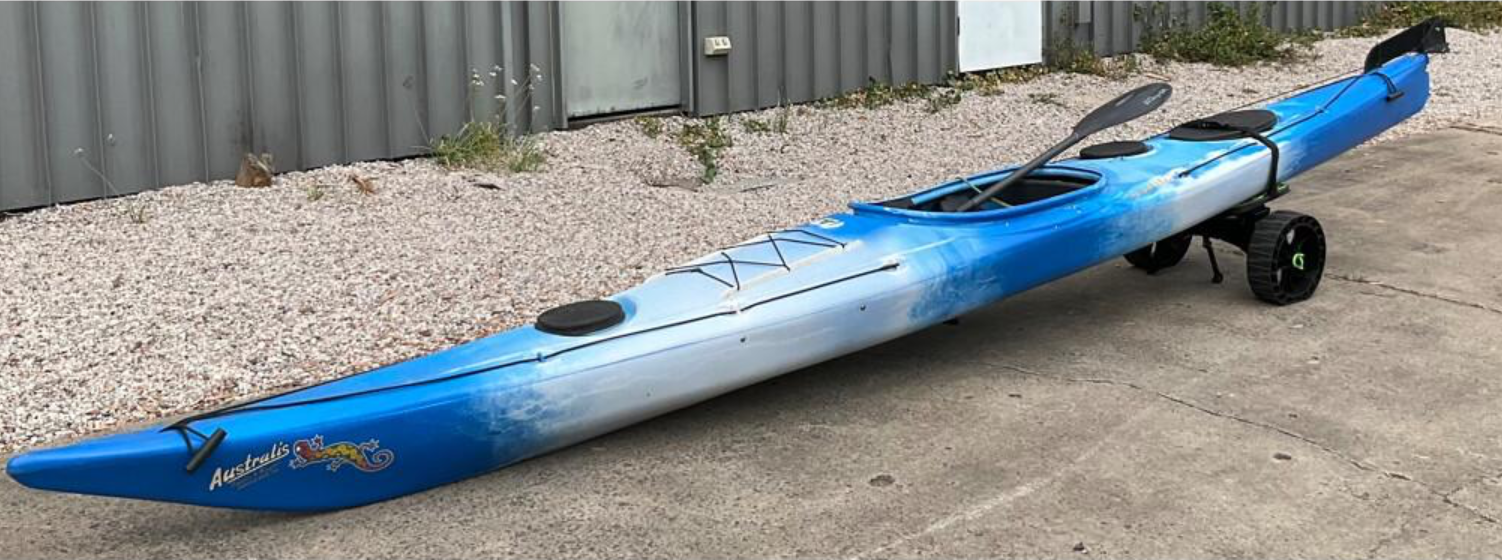
The Australis Salamander is a versatile expedition kayak designed for paddlers who want a capable touring boat without moving into an exceptionally long or narrow design.
Measuring 5.2 metres long and 60 centimetres wide, it offers a useful balance of stability and cruising efficiency. Three extra-large hatches, including an accessible day hatch, provide convenient storage for extended trips.
Its multi-chined hull helps deliver primary and secondary stability, while the adjustable foot controls and comfortable seating make longer paddles more manageable.
The Salamander is Australian-made in Wollongong and comes with a 10-year materials and workmanship warranty.
4. Mirage 582X
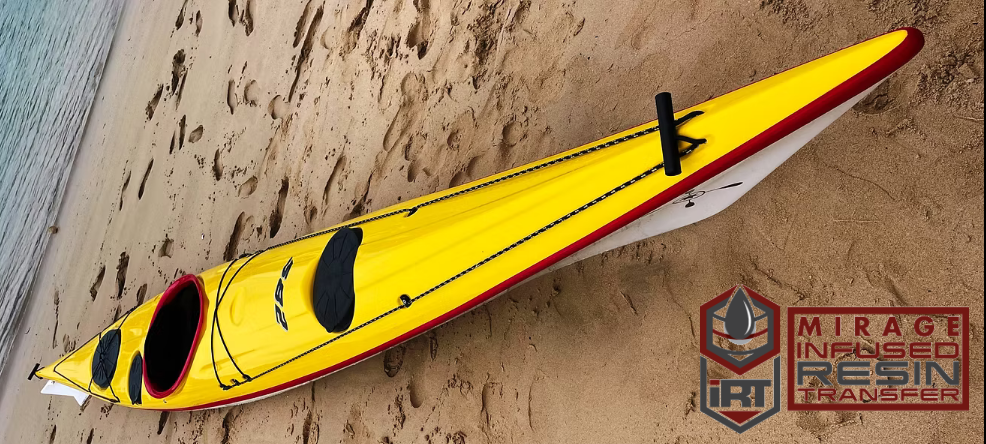
The Mirage 582x is ideal for people who prefer a more spacious cockpit.
It shares the 582’s 5.8-metre hull and expedition-oriented design but has a longer cockpit opening, making entry and exit easier. The extra room can also be useful for paddlers with limited knee flexibility.
Three sealed compartments provide ample storage for day trips and longer expeditions, while the integrated rudder supports directional control.
The kayak is available in several construction materials, including lightweight carbon and Kevlar options. Its combination of comfort, storage and performance makes it a strong choice for extended coastal journeys.
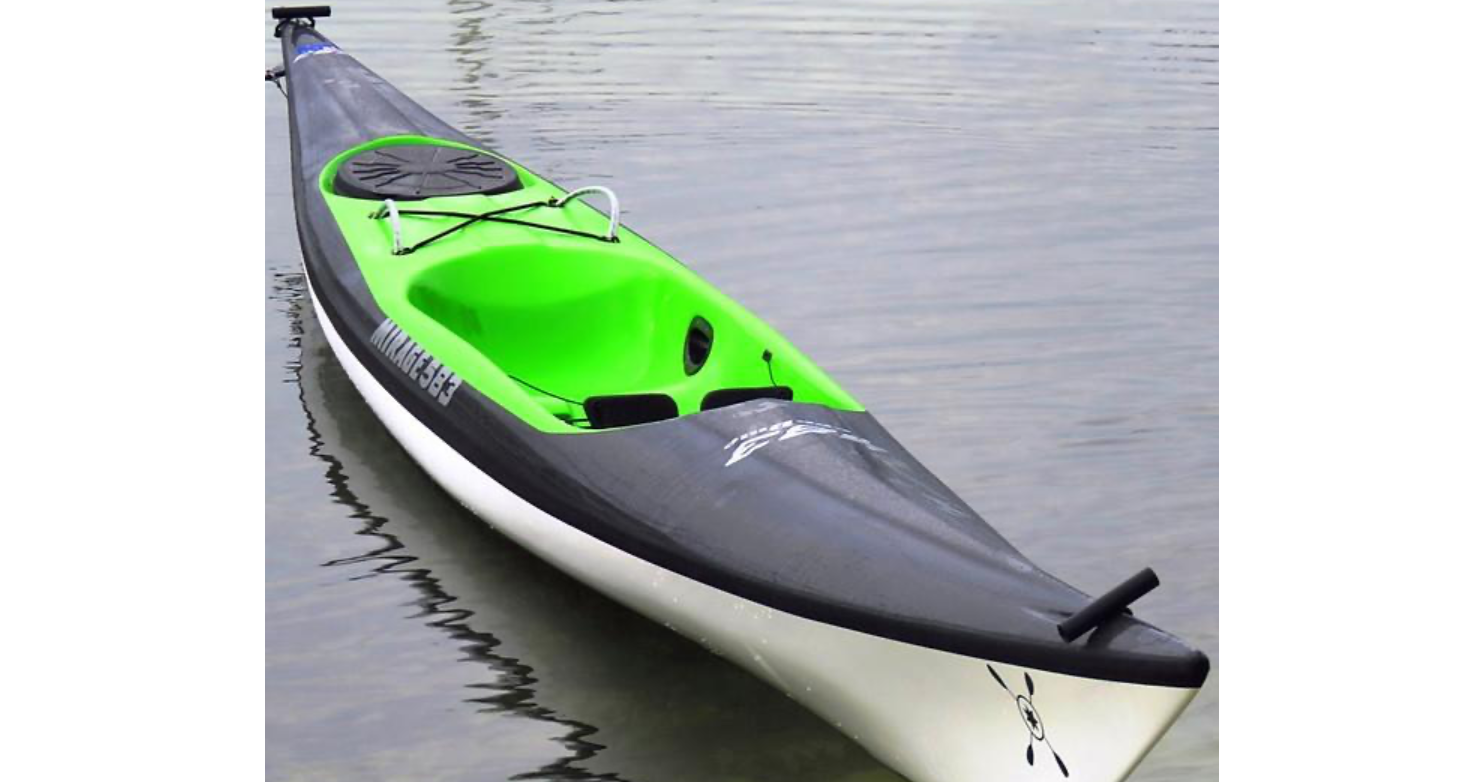
For paddlers who enjoy playing in waves rather than simply travelling across them, the Mirage 583 Freeride deserves serious consideration.
Its open-deck design and sculpted seat provide freedom of movement, while the long waterline helps maintain speed.
The hull’s rocker profile allows it to turn readily and respond to changing waves. It is designed for surf, harbours, estuaries and offshore paddling, making it an appealing choice for adventurous coastal paddlers.
The open cockpit also makes recovery after a capsize easier than in a conventional enclosed kayak. It is best suited to confident paddlers who value manoeuvrability and wave-riding ability.
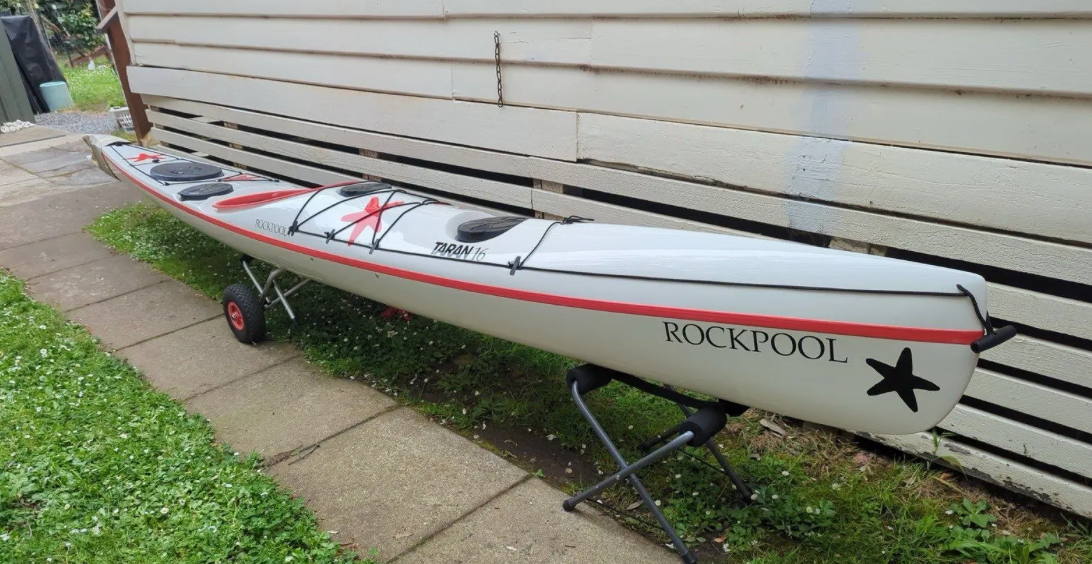
The Rockpool Taran 16 is a high-performance touring kayak available through Australia’s Pacific Kayaks.
Its design prioritises speed and efficient distance paddling, making it attractive to experienced paddlers who want to travel quickly across open water.
The Taran family includes different volume options, allowing paddlers to choose a fit suited to their size and preferred load.
The Taran 16 is particularly suited to those who enjoy fast day touring and longer coastal journeys. Pacific Kayaks offers access to test paddles and personalised configuration, which is valuable when choosing a performance-oriented kayak.
It is an option for paddlers who value speed over beginner-friendly stability.
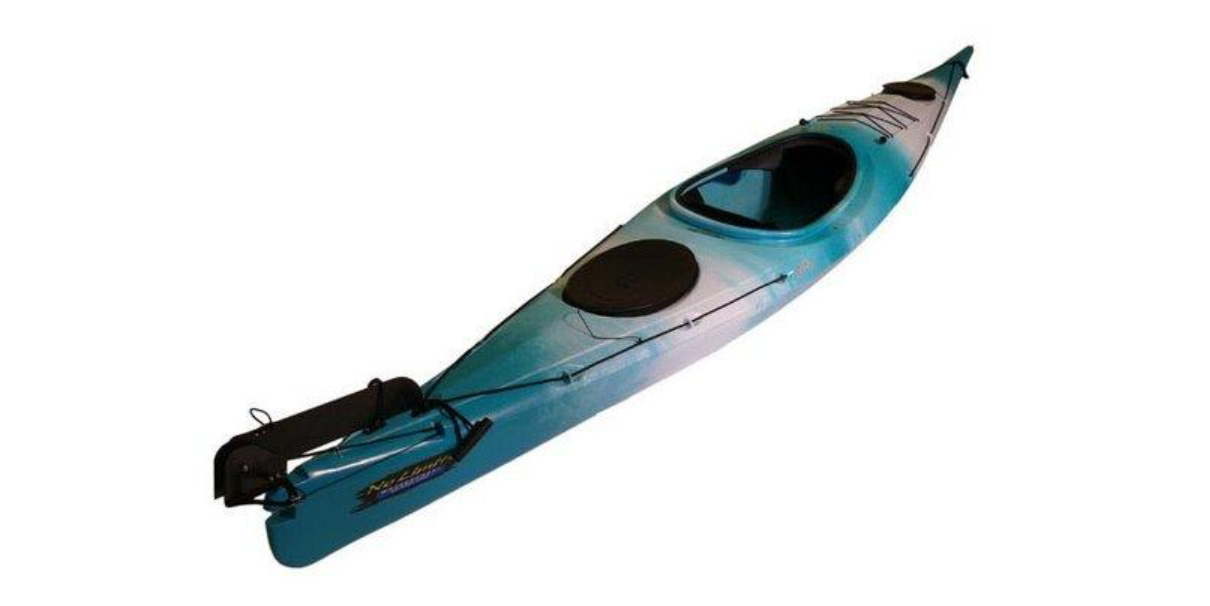
The Australis Gecko is a compact sea kayak that offers a practical entry point into coastal touring.
At 4.4 metres long and 62 centimetres wide, it is shorter than many expedition kayaks, making it easier to transport and handle on land.
Its multi-chined hull is designed to provide both primary and secondary stability, while two extra-large hatches and sealed storage compartments help keep gear organised.
The kayak also includes deck lines, front-deck storage and adjustable back support. Australis positions the Gecko for open-ocean to flat-water use, although paddlers should still match conditions to their skill level.
It is a sensible option for day trips and shorter coastal adventures.
Final Thoughts
Choosing the best sea kayak in Australia comes down to your paddling experience, preferred conditions and adventure plans.
Whether you want a stable kayak for relaxed coastal trips or a high-performance model for demanding ocean expeditions, the options above offer something for every kind of paddler.
Compare their features, storage capacity and comfort, and always try a kayak before buying. The right choice will make your time on the water safer, more comfortable and far more enjoyable.
FAQs
Can I use an inflatable kayak in the ocean?
Inflatable kayaks can handle calm, protected bays and sheltered coastal water, but they are not recommended for open ocean conditions. Wind and chop affect inflatables more than rigid hulls because they sit higher on the water. If you plan to paddle beyond the breakers, choose a rigid touring kayak instead.
What length sea kayak do I need?
Longer kayaks, generally above four meters, track straighter and glide more efficiently over distance, which suits touring. Shorter kayaks turn more easily and are simpler to transport and store. Match the length to your typical trip distance and the storage space you have at home.
How much weight capacity do I need in a sea kayak?
Add your body weight, any passengers, and all gear, then look for a kayak rated well above that total. Staying below roughly 80 percent of the advertised capacity keeps the kayak sitting properly in the water and responsive to your strokes. Overloading makes any kayak slower and harder to maneuver in a hurry.
Do I need a rudder or skeg for sea kayaking in Australia?
A rudder or skeg helps a kayak track straight in the wind and currents that are common along the Australian coast. Rudders offer active steering control while skegs simply improve directional stability. Many touring and fishing models include one, and some inflatables accept them as add-ons.
Is a sit-on-top or sit-in kayak better for ocean paddling?
Sit-on-top kayaks are easier to re-enter after a capsize and suit warm-water bay paddling and fishing. Sit-in touring kayaks offer more protection from wind and spray plus enclosed dry storage for longer trips. Your choice should reflect the conditions and trip lengths you realistically expect.